In the 1960s, oil producing countries formed an organization called OPEC. They formed the organization as a form of dissatisfaction with the control of foreign oil companies over the resources they have. The main goal is that they can take control of oil production and regulate oil prices on world markets, as well as increase profits for its member countries. Since then, OPEC has grown to become one of the most important organizations in the world and plays a significant role in determining world oil prices.
In this article, we will discuss what OPEC is, including its history, organizational structure, goals and policies as well as their influence on world oil prices.
What is OPEC?
OPEC or Organization of the Petroleum Exporting Countries is an organization of petroleum exporting countries. Founded on September 14, 1960, in Baghdad, Iraq. And at that time it only contained 5 countries, namely Iran, Iraq, Kuwait, Saudi Arabia and Venezuela. However, over time this organization grew and added more members, and in total OPEC now has 13 active members.
Indonesia itself was also a member of OPEC from 1962 to 2008. Indonesia did not extend its membership because it was no longer able to meet the production quota set by OPEC. However, in 2016, Indonesia re-entered the organization, but after announcing a temporary suspension of its membership at the end of the year after OPEC issued a policy for reducing oil production by 5%.
OPEC Organizational Structure
After OPEC was formed in 1960, this organization began to build an effective organizational structure to achieve its goals. Initially, OPEC only had a secretariat with headquarters in Vienna, Austria, which was tasked with managing organizational activities and acting as a bridge between OPEC members.
However, along with the increase in OPEC members and the development of this organization, the organizational structure of OPEC also began to develop. In 1975, OPEC formed the General Assembly, which is a meeting forum for all members of the organization. The General Assembly is responsible for determining the policies to be taken by OPEC.
In addition, OPEC also forms an Executive Committee, which consists of five members who are selected from member countries. The Executive Committee is responsible for supervising the implementation of policies determined by the General Assembly.
To regulate oil production activities, OPEC also forms an Oil Production Group, which consists of a representative from each member country. The Oil Production Group is tasked with managing the oil production of each member country in accordance with the policies set by OPEC.
Until now, OPEC’s organizational structure is still the same and continues to strive to achieve its main goal, which is to regulate oil production and oil prices on world markets and increase profits for its member countries.
OPEC Goals and Policies
The main purpose of the establishment of OPEC by oil producing countries is to regulate oil production and oil prices on the world market. So that they can increase profits for the member countries.
To achieve this goal, OPEC establishes a number of policies aimed at regulating the oil production of each member country. One of the most well-known policies is the oil production quota policy. By using this policy, OPEC determines the amount of oil each member country is allowed to produce to keep oil prices stable on the global market.
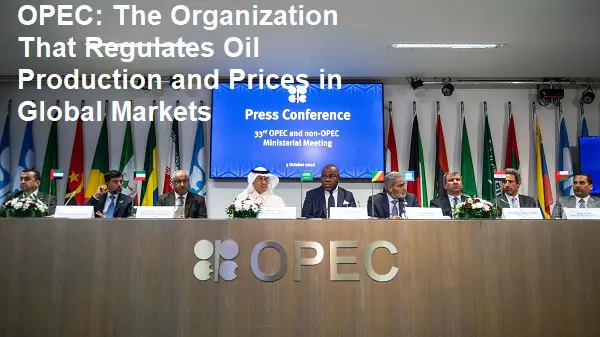
In addition, OPEC also often holds high-level meetings between the energy ministers of member countries to discuss policies to be taken. The meeting is called the OPEC Conference. Through the OPEC Conference, member countries can communicate and manage oil production together in accordance with established policies.
Criticism of OPEC
Even though it has a policy with a good purpose, namely to maintain the stability of oil prices in the global market, OPEC still often gets criticism regarding this policy. Most frequent has been criticism of OPEC’s lack of transparency in policy making. This is because OPEC rarely publishes every policy they take.
Another criticism is that OPEC is often accused of being an organization that does not fairly distribute the profits derived from oil sales among member countries. This criticism arises because there is a large difference in the income earned by OPEC member countries, where some member countries benefit more than other countries.
In response to these criticisms, OPEC has sought to increase transparency in policy making. This organization also continues to strive to expand the range of information conveyed to the public about its activities. In addition, OPEC has also attempted to make a more equitable contribution to member countries through its oil-related aid and resource development programs.
Even so until now, criticism of OPEC still continues to emerge, but this organization does not close their ears and continues to try to respond to these criticisms by improving its weaknesses.
OPEC and Geopolitics
Several OPEC production cuts have had a significant impact on the global economy. The most famous was in 1973, when Arab member states placed an embargo on the US and other countries that supported Israel during the Yom Kippur War. This embargo event is known as the “first oil shock”, it caused oil prices to quadruple in three months, and caused a fuel shortage in the US, and is considered as one of the causes of the prolonged economic crisis in the US and other countries in 2010. 1970s. .
Other major geopolitical events that significantly impacted oil prices include the Iran–Iraq War of the 1980s, the Gulf War of 1990–1991, the Asian financial crisis of 1997, and the global financial crisis of 2007–2008.
Most recently, crude oil prices crashed in mid-2020 as countries around the world went into lockdown. After that, OPEC+ members decided to cut production by 10 million barrels per day (about 10% of global production) to try to raise prices again.